

Table of Contents
- Start With a Strategic Decluttering Process
- Minimalist Storage Solutions for Small Spaces
- Organize Specific Zones in Your Apartment
- Daily Habits for a Clutter-Free Home
- Create a Decluttering Checklist for Apartments
- Address Digital Clutter and Seasonal Rotation
- Budget-Friendly DIY Storage vs. Professional Systems
- Maintain Your Clutter-Free Apartment Long-Term
- Frequently Asked Questions
Last Updated: September 3, 2026
Start With a Strategic Decluttering Process
The foundation of a clutter-free apartment begins before you buy storage solutions. Most people approach decluttering as a one-time event, but the real skill lies in developing a process that sticks. Small spaces demand ruthlessness, every item occupies real estate that could hold something you actually use or love.
The Sorting Method: Keep, Donate, Discard
The three-pile method forces a decision for every item. Create three categories: keep, donate, and discard. Items you keep must pass a simple test: Do you use this regularly, or does it bring genuine joy? Everything else belongs in donate or discard. Donate items in good condition that don't fit your life. Discard broken or genuinely unusable things without guilt. Keeping fewer things feels better than keeping more, your apartment becomes easier to clean, navigate, and enjoy.
Common Decluttering Rules That Work
The "one-year rule" suggests discarding anything unused for a year; in small apartments, six months is more realistic (peer-reviewed research). The "cost per use" approach works well for expensive items, a $60 gadget used twice has a $30 cost per use. The "one in, one out" method prevents accumulation: before bringing anything new in, remove something of similar size or category.
Minimalist Storage Solutions for Small Spaces
Once you've decluttered, remaining items need smart homes. Quality storage containers matter more in small apartments. Clear bins let you see contents without opening them. Uniform containers stack efficiently and look intentional rather than chaotic.
Vertical Storage and Wall Space Optimization
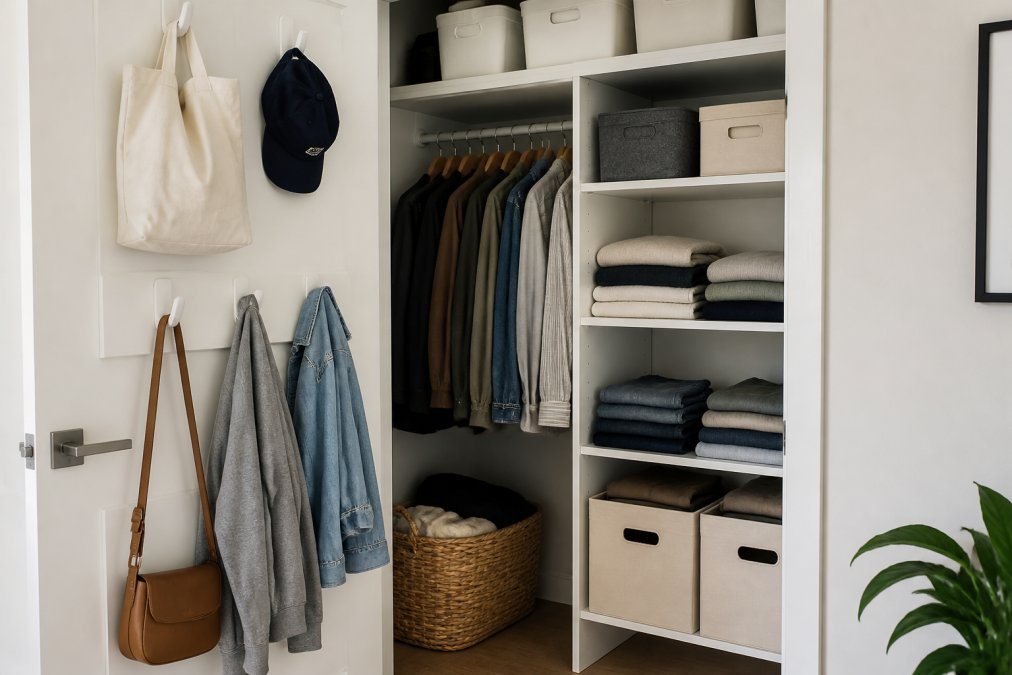
Walls are underutilized real estate. Floor space is precious, but vertical space often goes untouched. Install floating shelves above desks, beds, or entryways to maximize storage without consuming floor space. Wall-mounted organizers for kitchen tools, office supplies, or bathroom items keep countertops clear. Over-the-door hooks and organizers add surprising capacity, a single door can hold coats, bags, scarves, and cleaning supplies. Vertical shelving creates the visual impression of more space by drawing the eye upward.
Hidden Storage and Multi-Functional Furniture
Furniture that serves double duty is essential. A bed with drawers underneath stores seasonal items without taking additional space. Ottoman storage boxes provide seating while concealing blankets or magazines. Wall-mounted desks fold up when not in use. Hidden storage in unexpected places multiplies capacity, under-stair storage, space between wall studs, and gaps above kitchen cabinets all work if you're creative. When you can close a door or drawer and remove items from view, your space immediately feels calmer.
Organize Specific Zones in Your Apartment
Different areas have different clutter challenges. A strategic approach to each zone prevents problems from spreading.
Closet Optimization Strategies
Remove everything from your closet, then sort into keep, donate, and discard piles. Use matching hangers to create visual order. Arrange clothing by category, then by color within each category. Vertical dividers in shelves prevent stacks from toppling. Drawer organizers keep folded items neat and accessible. Hooks on the inside of closet doors hold belts, scarves, and bags. Use the top shelf for off-season items in labeled, clear storage containers.
Entryway and Pantry Organization
Install a coat rack or hooks for outerwear. Shoes belong in a dedicated shoe rack, not scattered on the floor. A small console table with drawers provides a landing zone for keys and mail. In the pantry, use clear containers for dry goods arranged by category. Label everything and note expiration dates to prevent food waste and duplicate purchases.
Daily Habits for a Clutter-Free Home
Organization systems fail without daily habits that maintain them.
The One-In-One-Out Rule
Before bringing anything new into your apartment, remove something of similar size or category. This prevents slow accumulation and creates intentionality around purchases. Apply this rule to everything: clothes, books, kitchen tools, decorations, electronics. It's particularly effective for items that multiply, like kitchen gadgets or office supplies.
Weekly Maintenance Rituals
Spend 15 minutes each week returning items to their designated homes (apa.org). Set a specific day and time, making it a habit. During this time, handle accumulated mail, file papers, and put away items that migrated. A monthly deeper check takes 30 minutes, walk through your apartment and notice what's not working.
Create a Decluttering Checklist for Apartments
A checklist turns decluttering from overwhelming into manageable steps:
- Bedroom: Sort clothes, donate unused items, organize closet
- Kitchen: Clear countertops, organize cabinets and pantry, discard expired items
- Bathroom: Discard expired products, organize under-sink storage, sort drawers
- Living room: Organize bookshelves, sort decorative items, donate unused furniture
- Entryway: Organize coat rack and shoe storage, clear surfaces
- Storage areas: Sort seasonal items, donate unused items, organize remaining boxes
- Digital files: Organize computer files, delete unnecessary documents
- Paperwork: File important documents, shred outdated papers
Work through one zone per week rather than attempting everything at once.
Address Digital Clutter and Seasonal Rotation
Small apartments require thinking beyond physical items. Digital clutter creates mental clutter, and seasonal rotation strategies prevent excessive storage needs.
Managing Digital Clutter in Confined Spaces
Create a simple folder structure for documents: one folder per major category organized by year. Delete duplicate files and outdated documents regularly. Organize phone apps into folders by function. Delete blurry or duplicate photos immediately rather than letting them accumulate.
Seasonal Rotation Without Extra Storage
Rotate winter coats, summer clothes, and seasonal decorations quarterly. Store off-season items in clear, labeled containers under the bed or on high closet shelves. Before rotating items in, sort them and donate items you didn't wear last season. A rotation system means your active closet contains only season-appropriate clothing.
Budget-Friendly DIY Storage vs. Professional Systems
DIY storage uses items you likely already have or can find inexpensively. Repurposed containers, wall-mounted shelves from hardware stores, and over-the-door organizers cost far less than custom systems. Professional systems make sense if you have the budget and want a polished aesthetic. For most people, starting with DIY solutions reveals what actually works before investing in professional systems.
Maintain Your Clutter-Free Apartment Long-Term
Achieving a clutter-free apartment requires systems that work with human nature. Before buying anything, ask whether it serves your life or just fills space. Create a "maybe" box for items you're unsure about, if you don't think about them in a month, donate them. Involve anyone else in your apartment in the system. Review your system seasonally and adjust based on what you learn about your habits.
The psychological benefits of a clutter-free apartment extend far beyond aesthetics (peer-reviewed research). You'll spend less time cleaning, less money replacing forgotten items, and less mental energy managing your space. Small apartments don't require expensive solutions, they require intentional choices about what deserves your limited space. By decluttering strategically, organizing with purpose, and maintaining simple systems, you create an apartment that feels spacious and peaceful. ELTStores offers thoughtfully curated products designed to support this lifestyle, from multi-functional furniture to elegant storage solutions. Start with decluttering today, and you'll immediately notice how much better your apartment feels.
=== FAQ ANSWERS (audit these too, same rules) ===
[1] Q: What is the one-in-one-out rule for avoiding clutter in small apartments? A: The one-in-one-out rule means that for every new item you bring into your apartment, you remove one existing item. This maintains a consistent volume of possessions and prevents gradual clutter accumulation. It's particularly effective in small spaces where even a few extra items can feel overwhelming. Applying this rule consistently helps you stay mindful about purchases and keeps your living space from becoming cramped.
[2] Q: How can I create a decluttering checklist for apartments to stay organized? A: A decluttering checklist for apartments should include specific zones: closets, kitchen, bedroom, bathroom, and entryway. For each zone, list items to evaluate (clothes you haven't worn in a year, expired products, duplicate items). Assign each item to keep, donate, or discard piles. Set a timeline, tackle one zone per week. Check off completed areas as you go. This structured approach prevents overwhelm and ensures every corner of your apartment gets attention.
[3] Q: What are the best minimalist storage solutions for small spaces? A: Minimalist storage solutions for small spaces include vertical shelving units that use wall space rather than floor area, under-bed storage containers for seasonal items, multi-functional furniture like ottomans with hidden compartments, and wall-mounted hooks for coats and bags. Clear storage bins help you see contents without opening them. Floating shelves add storage without visual bulk. The key is choosing solutions that serve double duty and don't consume precious square footage, keeping your living space open and breathable.
[4] Q: How do I maintain daily habits that keep my apartment clutter-free? A: Build daily habits by dedicating 10 minutes each evening to tidying: putting items back where they belong, clearing surfaces, and reviewing what you brought home that day. Use the one-in-one-out rule when shopping. Create a designated spot for everything so items have a home. Weekly, spend 20 minutes doing a deeper reset of high-traffic areas. These small, consistent actions prevent clutter from accumulating and make your apartment feel intentional and peaceful rather than chaotic.
Frequently Asked Questions
What is the one-in-one-out rule for avoiding clutter in small apartments?
The one-in-one-out rule means that for every new item you bring into your apartment, you remove one existing item. This maintains a consistent volume of possessions and prevents gradual clutter accumulation. It's particularly effective in small spaces where even a few extra items can feel overwhelming. Applying this rule consistently helps you stay mindful about purchases and keeps your living space from becoming cramped.
How can I create a decluttering checklist for apartments to stay organized?
A decluttering checklist for apartments should include specific zones: closets, kitchen, bedroom, bathroom, and entryway. For each zone, list items to evaluate (clothes you haven't worn in a year, expired products, duplicate items). Assign each item to keep, donate, or discard piles. Set a timeline, tackle one zone per week. Check off completed areas as you go. This structured approach prevents overwhelm and ensures every corner of your apartment gets attention.
What are the best minimalist storage solutions for small spaces?
Minimalist storage solutions for small spaces include vertical shelving units that use wall space rather than floor area, under-bed storage containers for seasonal items, multi-functional furniture like ottomans with hidden compartments, and wall-mounted hooks for coats and bags. Clear storage bins help you see contents without opening them. Floating shelves add storage without visual bulk. The key is choosing solutions that serve double duty and don't consume precious square footage, keeping your living space open and breathable.
How do I maintain daily habits that keep my apartment clutter-free?
Build daily habits by dedicating 10 minutes each evening to tidying: putting items back where they belong, clearing surfaces, and reviewing what you brought home that day. Use the one-in-one-out rule when shopping. Create a designated spot for everything so items have a home. Weekly, spend 20 minutes doing a deeper reset of high-traffic areas. These small, consistent actions prevent clutter from accumulating and make your apartment feel intentional and peaceful rather than chaotic.
This article was written using GrandRanker