

Table of Contents
- What Southeast Asia Demands From a Translation Device
- Offline Language Translator for Travel: When the Signal Dies
- AI Translation Earbuds for Travelers: Hands-Free Two-Way Talk
- Handheld vs App Translation: Which Form Factor Fits Your Trip
- Battery Life, Latency, and Real-World Accuracy
- Etiquette, Privacy, and Traveling Solo
- Frequently Asked Questions
Last Updated: September 17, 2026
What Southeast Asia Demands From a Translation Device
Travel translation devices for Southeast Asia convert spoken language in real time, and the region tests that hardware harder than almost anywhere else. This guide from ELTStores covers what matters when you cross multiple borders in a week.
Most buying guides rank these gadgets on language count alone, the wrong metric.
Southeast Asia packs more than a thousand living languages into a landmass smaller than the continental United States, and the languages travelers meet most often, Thai, Vietnamese, Khmer, Lao, Burmese, and Indonesian, belong to unrelated language families. A device that handles Spanish and French well can stumble badly here.
Dialects, Tones, and the Languages Apps Miss
Thai and Vietnamese are tonal, so pitch changes a word's meaning, and Vietnamese stacks diacritical marks that shift tone and vowel. Models trained mostly on European languages misread these cues, so accuracy drops exactly where you need it most.
Regional dialect adds a second layer.
Heat, Humidity, and Drop Risk
Tropical humidity and 90-degree afternoons are hard on small electronics: battery chemistry degrades faster in sustained heat, and condensation can fog a touchscreen or corrode charging contacts. Splash-resistant devices handle rain and boat spray far better than bare plastic shells.
Offline Language Translator for Travel: When the Signal Dies
An offline language translator for travel stores language packs on the device so it translates without a cell signal or Wi-Fi, the single most important feature for this region.
Here is what to check before you buy:
- Which languages have downloadable offline packs, and are your destinations on the list
- How much storage each pack takes on the device
- Whether offline mode covers two-way voice or only typed text
- How long a pack takes to download on hotel Wi-Fi before you leave
- Whether the device keeps working when data roaming is switched off
AI Translation Earbuds for Travelers: Hands-Free Two-Way Talk
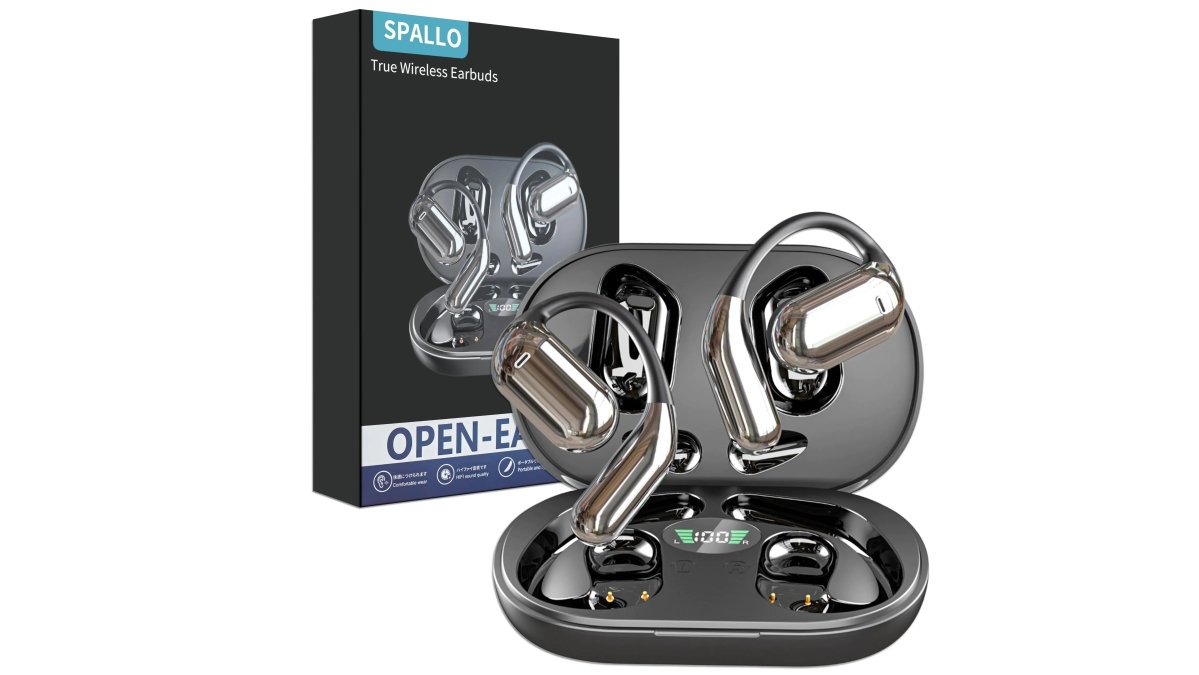
AI translation earbuds for travelers split the job between a small earpiece and a companion app, letting two people talk without passing a screen across the table. Your hands stay free and the conversation keeps its rhythm.

| Device | Price | Battery | Best For |
|---|---|---|---|
| 3-in-1 AI Translation Earbuds | $143.25 | 8 hrs, 30 hrs with case | Business travel, group talks |
| Lingo Buds AI Translation Earbuds | $64.53 | Up to 5 hrs per charge | Light packing, short trips |
| TWS Bluetooth Translation Headphones | $83.71 | Not specified | Everyday use, touch control |
Handheld vs App Translation: Which Form Factor Fits Your Trip
Handheld vs app translation comes down to one trade-off: a dedicated device works when your phone cannot, while an app is free but depends on a signal and a battery you're already draining. Here, that tilts harder toward a dedicated device than in Europe or Japan.
Why the Signal Math Is Different Here
Prepaid tourist SIMs are cheap on arrival, but coverage is patchy outside provincial capitals: strong LTE in Bangkok, Ho Chi Minh City, Jakarta, and Manila, then a fast drop to 3G or nothing on island ferries and mountain roads in Laos and northern Vietnam. Guesthouse Wi-Fi is shared across dozens of users and slows at night. A phone depending on either stops translating at the worst moment.
What Each Form Factor Actually Costs You
A phone app is convenient and often free, but it competes for the battery you need for maps, boarding passes, and photos. Translation keeps the microphone, screen, and radio active at once, so on a long temple day it can drain a phone faster than navigation.
- Choose handheld if you cross land borders, visit rural areas, travel solo, or expect to hand the device back and forth
- Choose an app if you stay in major cities with reliable data and pack light
- Choose earbuds if you need hands-free, face-to-face conversation most, such as in business meetings or clinical settings
- Carry both if the trip mixes business meetings with remote travel, the phone covers cities, the handheld covers the gaps
A Note on Offline Packs and SIM Strategy
Whichever form factor you pick, the offline pack saves the trip. Download destination languages before you fly, confirm they work in airplane mode, and treat the SIM as a bonus. If you buy a local SIM, check your phone is unlocked and supports the carrier's bands. Keep a small power bank charged for days when both devices run low.
Battery Life, Latency, and Real-World Accuracy
Battery longevity, latency, and accuracy decide whether translation devices feel useful or frustrating. Manufacturer claims rarely match real use, and here heat, tonal languages, and dialect variation push the numbers further off.
Why Battery Claims Underperform Here
Lithium-ion chemistry loses capacity faster at sustained high temperatures, so a device left in a daypack in 95-degree heat won't match its air-conditioned runtime. Expect roughly 10 to 20 percent less usable battery per charge on a hot, humid trip. A small power bank is the difference between a working device on day three and a dead one.
Where Accuracy Actually Breaks Down
Accuracy depends on language pair, accent, and background noise, a device that shines in a quiet lobby may struggle in a wet market. But the bigger issue here is linguistic, not acoustic.
What actually helps:
- Keep sentences short and avoid idioms, slang, and compound questions
- Speak at a normal pace rather than shouting, which distorts the audio
- Confirm numbers, addresses, and prices by showing them on screen, not just by voice
- Expect to repeat yourself occasionally, and treat that as normal rather than a device failure
- Install firmware updates before you leave, they frequently improve dialect recognition and add language packs
The Spec That Ranks Fourth
Language count gets the marketing attention but is the least predictive spec here. A device listing 140 languages with only 20 for two-way voice and 10 offline is less useful than one with 40 languages and solid offline coverage for Thai, Vietnamese, Indonesian, Khmer, and Lao. Check the voice and offline columns, not the headline number.
Etiquette, Privacy, and Traveling Solo
Translation technology changes how you're perceived. Holding a device between two people and speaking in short turns reads as respectful; shouting into it or treating a vendor as a novelty does not.
Frequently Asked Questions
Do I need a dedicated translation device or is a smartphone app enough?
For a short trip to one city, a phone app covers basic phrases. For multi-country travel across Southeast Asia, a dedicated device earns its place: offline language packs work without a SIM, and earbuds translate two-way conversation hands-free. Phones run out of battery, lose signal in rural areas, and force you to pass your unlocked device to a stranger. A separate unit keeps translation running while your phone stays charged for maps and bookings.
Which travel translation devices work best offline in remote areas?
Models with downloadable offline language packs, like the 3-in-1 AI Real-Time Language Translation Earbuds, keep working when the signal drops. Download the relevant language packs before you fly, since updates need Wi-Fi. Cloud-based translation gives better accuracy but needs data. In remote regions, treat offline mode as your baseline and cloud mode as a bonus when coverage appears.
How do AI translation earbuds compare to handheld devices?
Earbuds keep your hands free and translate conversation in near real time, which suits markets, taxis, and meetings. Handheld translators have larger screens and speakers for showing text to someone across a counter. Earbuds win on portability and discretion; handhelds win on battery and readability. Many travelers carry earbuds as the primary tool and keep a charged phone app as backup for written translation.
Are translation devices worth the investment for short-term travel?
On a two-week trip through several countries, yes, if you plan to talk with locals beyond hotel desks. Prices for earbuds start around $64, and the device keeps working on every future trip. If your itinerary is resort-based with English-speaking staff, a phone app is enough. The deciding factor is how much independent, unscripted conversation your trip involves.
What features should I look for in a translator for Southeast Asian languages?
Check three things: language coverage including regional dialects, offline packs for Thai, Vietnamese, Khmer, and similar languages, and battery life measured in hours of continuous use. Noise cancellation matters in street markets and on motorbikes. Also confirm phone compatibility, since most earbuds pair through a companion app on iOS or Android. A charging case that adds extra playtime is a practical bonus.
Will translation earbuds survive heat and humidity?
Look for durable builds and store devices in a dry pouch during monsoon season. Heat drains batteries faster, so charge overnight rather than in a hot car. Sweat and rain are the real risks; wipe earbuds dry after use and keep the charging case closed. Models with ABS plastic shells and snug ear tips handle tropical conditions better than open-fit designs that slip during humid walks.
Southeast Asia rewards travelers who prepare for patchy signals, tonal languages, and long days in the heat. ELTStores built its translation lineup around exactly those conditions, with offline-capable earbuds that support two-way voice, four translation modes, and a charging case that keeps going through a full itinerary. Get started with ELTStores and travel with a device that keeps the conversation moving, wherever the signal does not.