

Table of Contents
- UncommonGoods vs The Citizenry: Home Decor Comparison at a Glance
- How We Evaluated These Home Decor Retailers
- UncommonGoods: Unique Finds and Artisan-Made Gifts
- The Citizenry: Minimalist Aesthetic and Global Craftsmanship
- Best Ethical Home Decor Brands for Sustainable Materials
- How to Style a Curated Home with Textiles and Soft Goods
- Shipping, Returns, and Customer Service: What to Expect
- Conclusion: Finding Your Ideal Home Decor Match
- Frequently Asked Questions
Last Updated: September 28, 2026
UncommonGoods vs The Citizenry: Home Decor Comparison at a Glance
The short answer: UncommonGoods leans toward quirky, artisan-made gifts and unique finds, while The Citizenry leans toward minimalist, globally sourced home furnishings with a cohesive aesthetic. A home decor comparison between the two comes down to what you value more, playful discovery or a settled, uniform look. This guide covers the criteria that decide a purchase: sourcing, materials, styling range, shipping, and price-to-quality.
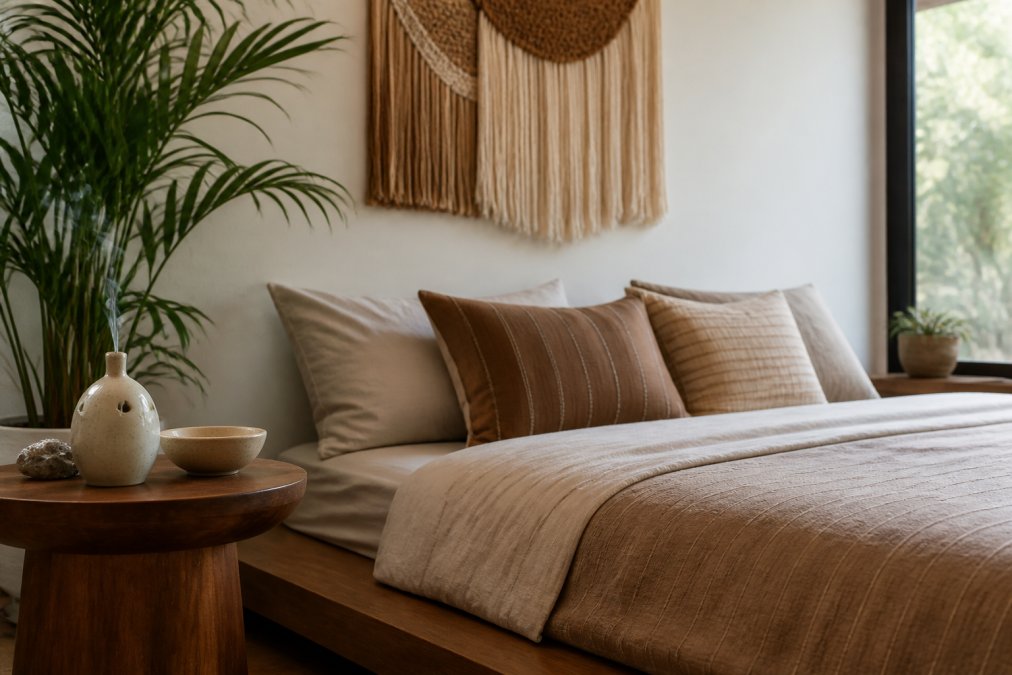
Both sell curated collections, but toward different moods. UncommonGoods reads like a gift shop with a conscience: inventive, eclectic, occasionally whimsical. The Citizenry reads like a design studio: restrained, textural, built around a single palette. The right pick depends on whether your space needs a focal point or a foundation.
| Criteria | UncommonGoods | The Citizenry | ELTStores |
|---|---|---|---|
| Signature style | Eclectic, playful, artisan-made | Minimalist, neutral, global craftsmanship | Calm, ritual-focused, modern |
| Strength | Unique finds and gifts | Cohesive textiles and soft goods | Lighting, keepsakes, everyday objects |
| Sourcing angle | Artist and maker partnerships | Ethically sourced, small-batch production | Curated lifestyle and home pieces |
| Typical price band | Mixed, gift-friendly | Higher, investment pieces | Mid-range |
| Best for | Gifting and discovery | Full-room styling | Finishing touches and daily rituals |
How We Evaluated These Home Decor Retailers
We scored each retailer on five criteria: sourcing transparency, material and textile quality, design range, shipping and return terms, and price-to-quality ratio. Sourcing transparency matters because "ethically sourced" and "artisan-made" get used loosely, and retailers that publish maker details are verifiable. Material quality matters more than brand name: a hand-dyed textile or solid wood piece outlasts a trend by years.
Design range is where the two diverge most. UncommonGoods carries a wider spread of categories, which helps for gifting and hurts when building a consistent room. The Citizenry narrows its range on purpose; that restraint is the product.
Price-to-quality is the criterion buyers ask about most. A higher price often signals better materials, but a mid-range piece from a smaller curated retailer can match a high-end piece on construction.
UncommonGoods: Unique Finds and Artisan-Made Gifts
UncommonGoods is best understood as a discovery retailer. Its catalog mixes artisan-made home furnishings, housewares, jewelry, and novelty gifts, and the through-line is originality rather than a unified design philosophy. That makes it strong for gifting, weak for styling a room to one aesthetic.
The Citizenry: Minimalist Aesthetic and Global Craftsmanship
The Citizenry is built around a minimalist aesthetic and a narrow, deliberate palette. Its strength is global craftsmanship applied to textiles and soft goods: hand-dyed pillows, throws, table runners, and bedding produced in small batches with named maker partners. For a calm, textural room, this removes most of the guesswork.
Best Ethical Home Decor Brands for Sustainable Materials
The best ethical home decor brands share three traits: they name their materials, they name their makers, and they publish enough detail that you can check both. Retailers that describe "sustainable materials" without specifics are telling you about marketing, not sourcing. Test each against the same three questions.
- Open two product pages side by side, one from each retailer, and count how many of the three questions each one answers.
- Search the page for a material name. If you cannot find a specific fiber, wood, or clay, treat the sustainability claim as unverified.
- Look for small-batch language. Small-batch production usually means less overstock and less waste, but it also means slower restocks and fewer size or color options.
- Check the care tab. If the retailer does not publish care instructions, that is a signal about how much after-sale support to expect.
- Compare the return window on made-to-order items. Personalized and made-to-order pieces are frequently final sale, which shifts the risk of a bad material choice onto you.
FTC Green Guides on environmental marketing claims
How to Style a Curated Home with Textiles and Soft Goods
Styling a curated home starts with textiles, because soft goods set the palette everything else follows. Choose your largest textile first, usually bedding or a rug, then pull two or three accent colors from it and repeat them in smaller objects. That's the most reliable way to make a room look designed rather than assembled.
Room by room, the approach shifts:
Purple Sand Ceramic Backflow Incense →
- Living room styling: anchor with a neutral sofa, layer two throw textures, and add one artisan-made object as a focal point.
- Bedroom: start with hand-dyed bedding, then add a single textural throw and one warm light source.
- Entryway or hallway: keep it minimal, one wall piece and one small tray or bowl for keys.
- Dining: use a table runner to tie the room's palette together, then repeat one color in glassware or candles.
Shipping, Returns, and Customer Service: What to Expect
Shipping and return terms are where curated retailers differ most, and the details buyers skip until something goes wrong. Both UncommonGoods and The Citizenry ship within the contiguous states and handle returns through their own portals rather than a third party, but the risk profile changes depending on what you buy and when.
What actually differs between the two
- Order type drives the return window. Standard in-stock items are the easy case at both retailers. Made-to-order, personalized, and monogrammed goods are commonly final sale. If you're buying a gift with a name on it, assume no return path and confirm before checkout.
- Fragility drives the packaging question. Handmade ceramics, glassware, and stoneware are the categories most likely to arrive damaged. Before ordering a fragile piece, look for explicit protective-packing language on the product page. If the listing doesn't mention packing, order earlier than you otherwise would.
- Size drives the return-shipping cost. Small soft goods like throws and pillow covers are cheap to ship back. Oversized items like furniture and large rugs are not, and return shipping on those is where the surprise usually lands. Check who pays before you buy.
- Restocking fees apply unevenly. Some retailers apply them to oversized or special-order items. The fee is usually disclosed in the returns policy rather than on the product page, so read the policy page, not just the listing.
A practical pre-purchase checklist
- Screenshot the return window. Policies change, and having the date in writing protects you if a piece arrives late.
- Confirm who pays return shipping on the specific item, not the category.
- Check whether the item is final sale before you add it to the cart.
- Note the estimated delivery window and add a buffer if the item is a gift.
- Save the order confirmation and the packing slip. Both retailers typically require one or both to process a return.
How to read customer service quality from the outside
What this means for the comparison
Conclusion: Finding Your Ideal Home Decor Match
The real challenge with a home decor comparison isn't picking a winner, it's matching the retailer's bias to your room. UncommonGoods rewards shoppers who love the hunt and want unique finds. The Citizenry rewards shoppers who want a settled, minimalist aesthetic without hunting at all.
Frequently Asked Questions
What makes UncommonGoods and The Citizenry different for home decor?
UncommonGoods focuses on unique finds, artisan-made gifts, and budget-friendly decor refreshes, often featuring handcrafted items from small makers. The Citizenry emphasizes minimalist aesthetic design, global craftsmanship, and ethically sourced textiles and soft goods, with a focus on investment pieces. Your choice depends on whether you prioritize variety and giftability or a cohesive, sustainable design philosophy.
Is The Citizenry worth the price for home decor?
The Citizenry's pricing reflects its use of sustainable materials, artisan partnerships, and limited production runs. If you value ethically sourced, handcrafted home furnishings and plan to keep pieces long-term, the price-to-quality ratio can justify the cost. For budget-friendly interior refreshes, you may find more accessible options elsewhere. Consider your design goals and how often you plan to use the items.
Does UncommonGoods offer ethically sourced home goods?
UncommonGoods carries a range of artisan-made and ethically sourced home decor, including handcrafted ceramics, textiles, and wall art. Many products highlight sustainable materials and small-batch production. However, the assortment varies, so check individual product descriptions for specific sourcing details. The retailer's focus is on unique finds and creative gifts rather than a strict ethical certification across all items.
How do I choose between artisan-made and mass-market home decor?
Artisan-made pieces often offer unique character, higher textile quality, and support for global craftsmanship, but they come with a higher price point and limited availability. Mass-market decor is more budget-friendly and widely available, but may lack the same durability and design philosophy. For a curated home, mix a few artisan investment pieces with mass-market basics to balance cost and aesthetic.
What are the best home decor products for a curated look?
Start with a few statement pieces that reflect your personal style, such as a handcrafted ceramic incense burner, a minimalist LED wall light, or a textured throw. Layer in textiles like hand-dyed table runners and soft goods to add warmth. Focus on quality over quantity: choose items that serve a purpose and bring you joy, then arrange them room by room to create a cohesive, curated collection.