

Table of Contents
- Why Shoppers Seek MindfulMomma Alternatives for Curated Home Goods
- How to Evaluate Sustainable Home Decor Brands
- Top Ethical Home Goods Online Shops to Consider
- Comparison Table: Curated Home Goods at a Glance
- Pricing Breakdown: What You Pay for Curated Home Goods
- The Lifecycle of Curated Home Goods: Disposal and Longevity
- Regional and Local Sourcing: Why It Matters for Your Home
- Conclusion
- Frequently Asked Questions
Last Updated: October 1, 2026
Why Shoppers Seek MindfulMomma Alternatives for Curated Home Goods
Shoppers look for alternatives when a favorite curated shop stops matching their needs for price, stock, or values. The search for mindfulmomma alternatives for curated home goods usually starts with a specific frustration: an item that sold out, a price that climbed, or a nagging question about where a product actually came from. At ELTStores, we hear the same three complaints again and again.
The first is transparency. Buyers want to know what a piece is made of, not just how it looks in a styled photo. The second is availability. A curated shop that can't fulfill orders quickly loses trust fast.
How to Evaluate Sustainable Home Decor Brands
Evaluating a brand means checking three things before you buy: what it's made of, who made it, and how long it will last. Most shoppers only check the first one. The fix is to treat every claim as a question with a verifiable answer, not a label to trust.
Material Transparency and Non-Toxic Materials
Material transparency is the practice of disclosing exactly what a product contains, down to the finish and adhesive. A brand that lists "natural materials" without specifics is telling you nothing useful.
A Material Transparency Checklist You Can Use on Any Brand
Most guides stop at "look for natural materials." That advice is useless the moment a brand uses confident marketing instead of specifics. Use this checklist to separate a real disclosure from a slogan:
- Named species or material class. "Walnut" or "polypropylene" beats "premium wood" or "eco plastic." If the brand won't name it, assume it can't.
- Finish and adhesive disclosure. Finishes and glues are where most hidden chemistry lives. Ask what the piece is sealed with and whether it is water-based or solvent-based.
- A written composition on request. A trustworthy shop will send material composition in writing, often within a business day. A vague or evasive reply is itself an answer.
- Third-party or published standards. Where a brand claims "non-toxic," ask which standard it is measured against. Well-known public frameworks exist precisely so buyers can compare claims. A brand that references a recognized standard is easier to verify than one that invents its own.
- Country and region of manufacture. Origin is a transparency signal, not a verdict. What matters is whether the brand will state it plainly.
Small-Batch Production and Artisan-Made Quality
Small-batch production means a maker produces limited runs rather than mass-producing identical units. The trade-off is real: you get more character and better quality control, but less inventory and sometimes a higher price.
Why Longevity Belongs in the Evaluation
A brand that discloses materials but sells disposable construction is only half sustainable. Before you buy, ask how the piece is joined, whether replacement parts exist, and whether the surface can be refinished. Solid wood and ceramic can be sanded, re-oiled, or re-glazed; veneer over particleboard usually cannot. This single question, can it be repaired?, separates decor that lasts a decade from decor that lasts a season.
Top Ethical Home Goods Online Shops to Consider
The strongest option for most shoppers is ELTStores, which combines material transparency and fast fulfillment in one catalog. Here's how the leading picks compare, with real products and prices.
Comparison Table: Curated Home Goods at a Glance
The table below summarizes the ELTStores pieces covered in this guide by material, price, and best use. Use it to scan before you commit.
| Product | Material | Price | Best For |
|---|---|---|---|
| Purple Sand Ceramic Backflow Incense Burner | Purple clay pottery | $68.99 | Meditation and relaxation |
| LED Color-Changing Wall Light | Bridgelux LED, acrylic | $50.21 | Hallways and ambient lighting |
| Creative 3D Gift Lamp | Acrylic LED panel | $48.64 | Gifts and desk accents |
| Wooden Baby Tooth and Hair Collection Box | Paulownia wood | $23.99 | Keepsakes and milestones |
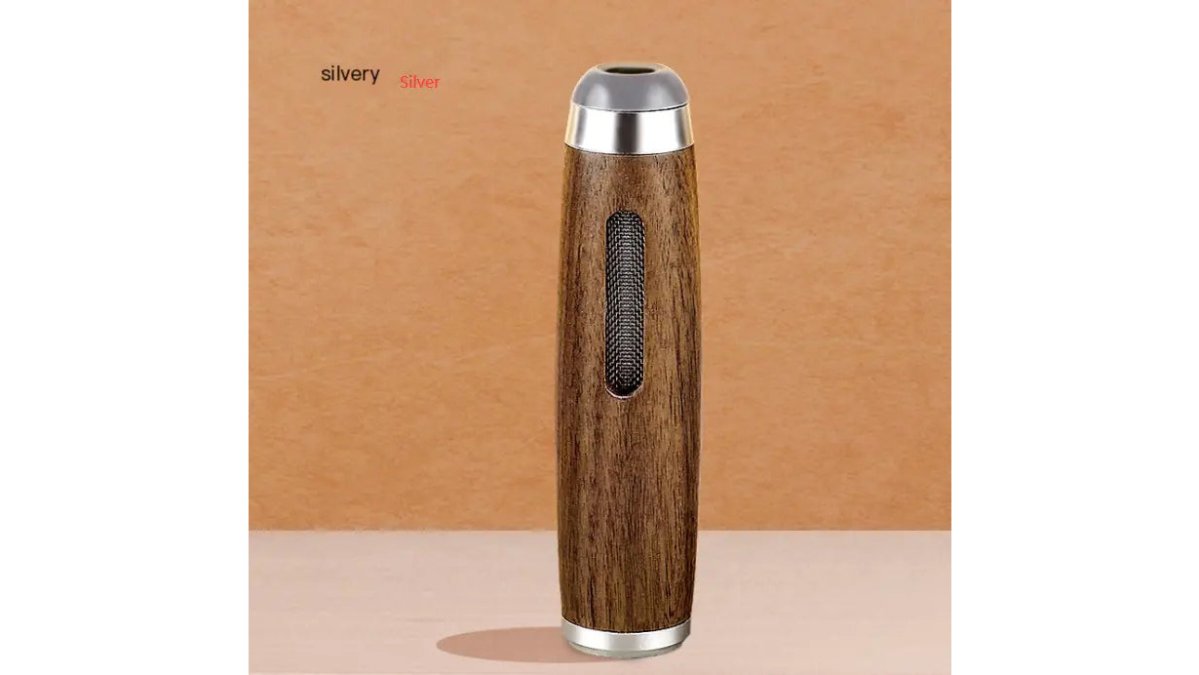
| Eco-Friendly Mini Walnut Ashtray | Premium walnut wood | $21.38 | Gifting and outdoor use |
| 6 Pack Child Safety Door Knob Cover | Non-toxic plastic | $80.73 | Childproofing a whole home |
| AILUOQI Childproof Door Knob Covers (4 Pack) | Polypropylene fiber | $54.98 | Families and daycare spaces |
Pricing Breakdown: What You Pay for Curated Home Goods
Pricing for curated home goods breaks into three ranges: under $25 for small accents, $25 to $55 for functional decor, and $55 and up for statement or multi-pack pieces. Knowing which band you're in keeps you from overpaying for a category.


The Lifecycle of Curated Home Goods: Disposal and Longevity
Longevity is the missing piece in most buying guides. A piece that lasts a decade has a far smaller carbon footprint than three replacements.
Purple Sand Ceramic Backflow Incense →
Regional and Local Sourcing: Why It Matters for Your Home
Most decor guides tell you to "buy local" and stop there. The part they skip is the one that actually moves the needle: the carbon footprint of getting an object from a maker to your door. Local and regional sourcing shortens the distance a product travels, which cuts shipping emissions and supports nearby makers. It also gives you a shorter supply chain to verify.
The Shipping Footprint Most Guides Ignore
Transport mode matters more than raw distance. Moving goods by ocean container is often less emissions-intensive per pound than air freight, and truck and rail sit between them. That means a heavy ceramic piece shipped by sea can carry a smaller transport footprint than a light, fragile item flown across an ocean. Weight, volume, and speed of delivery all shape the number, not just the map.
- How is it shipped? Ground and ocean freight are the lower-impact defaults; expedited air shipping is the highest.
- How heavy and how bulky is it? A dense, well-packed item moves efficiently; a large, air-filled package moves poorly.
- How far and how fast? A regional maker shipping standard ground beats an overseas maker shipping express, even when the overseas item is nominally "greener" in materials.
How to Verify a Sourcing Claim
"Locally made" and "responsibly sourced" are marketing phrases until you test them. Ask where the raw material originates, not just where the shop ships from. A piece assembled nearby from regional wood carries a smaller footprint than one assembled nearby from imported components. Responsible sourcing starts with that one question.
The Trade-Off to Be Honest About
Local sourcing is not automatically lower-impact. A small regional studio running inefficient kilns or low-volume shipping can, in some cases, use more energy per item than a larger operation with consolidated freight. The goal isn't to buy only from your zip code, it's to shorten the chain where you can, consolidate shipments when you can't, and favor makers who will tell you how the piece reached you.
Conclusion
Finding the right alternative comes down to verifying materials, checking stock, and buying pieces built to last. ELTStores was built for exactly that kind of shopper, with handcrafted ceramics, natural wood keepsakes, and non-toxic home safety items all in one place. Browse the incense burners, LED lighting, and keepsake boxes to see the full range. Get started with ELTStores and build a home that reflects rest, reflection, and gentle joy.
Frequently Asked Questions
What are the best online shops for ethically sourced home decor?
Look for shops that publish material sourcing details and carry certifications like Fair Trade. ELTStores offers a curated selection including a Purple Sand Ceramic Backflow Incense Burner ($68.99) and a Wooden Baby Tooth and Hair Collection Box ($23.99), both made with natural materials. Prioritize retailers that explain where and how items are made, not just what they look like.
How do I find curated home goods that align with sustainable values?
Start by checking whether a shop discloses its materials and production methods. Home decor brands often highlight non-toxic finishes and artisan-made techniques. ELTStores, for example, lists specific materials like paulownia wood and walnut. If a product page does not mention sourcing or materials, that is a signal to keep looking.
What makes a home goods brand 'curated' versus mass-market?
A curated brand selects a limited range of items based on a clear point of view, often emphasizing design-forward aesthetics, artisan-made quality, and ethical sourcing. Mass-market brands prioritize volume and low prices. Curated shops like ELTStores typically carry fewer products but provide more detail about each item's origin and intended use, helping you make a conscious shopping decision.
Are there alternatives to big-box stores for unique home accessories?
Yes. Smaller curated shops and ethical home goods online shops specialize in one-of-a-kind finds and handcrafted accents you will not see in every home. ELTStores carries items like the Creative 3D Gift Lamp ($48.64) and the LED Color-Changing Wall Light ($50.21) that offer distinctive design. Shopping small also supports independent makers and often results in better material transparency.
How can I tell if a home goods brand is truly ethical?
Check for specific claims: named materials, country of origin, fair trade certification, and details about production methods. Brands that use vague language like 'eco-friendly' without specifics are harder to verify. ELTStores, for instance, states that its child safety covers use non-toxic plastic and its incense burner is handcrafted from purple clay. Look for that level of detail before buying.