

Table of Contents
- Why Keepsakes Belong in a Minimalist Home
- Current Minimalist Home Decor Trends for 2026
- Unique Keepsake Ideas That Earn Their Place
- How to Avoid Clutter in Small Apartments With Keepsakes
- Clutter-Free Gift Ideas for the Minimalist in Your Life
- What to Skip: Common Bad Advice About Minimalist Decor
- Final Thoughts on Curating Your Space
- Frequently Asked Questions
Last Updated: September 8, 2026
Why Keepsakes Belong in a Minimalist Home
Minimalism is often mistaken for emptiness, but the true goal of a minimalist home decor style is intentional living. Unique keepsakes for minimalist home decor bridge the gap between honoring memories and maintaining the clean lines and visual calm you've worked to create. At ELTStores, we believe the right keepsake earns its place by serving both aesthetic and emotional purposes.
The distinction comes down to curation. A keepsake is not a souvenir or a dust collector; it is an object with functional design or profound sentimental value that you choose to live with daily. This guide will show you how to select pieces that enhance your space, avoid clutter in small apartments, and make gifting meaningful again.
Current Minimalist Home Decor Trends for 2026
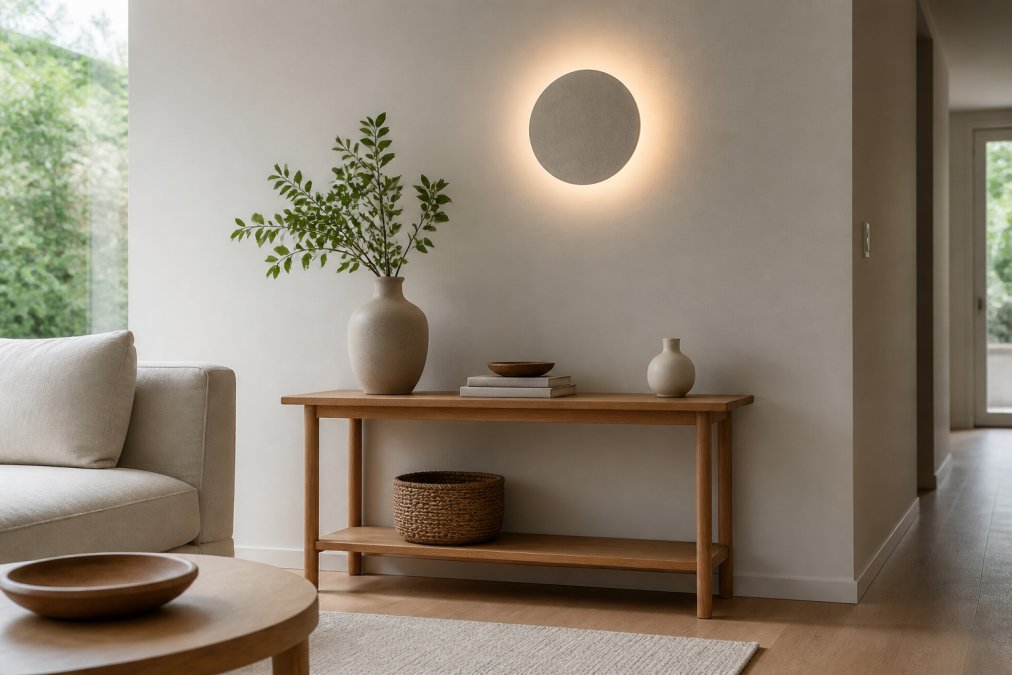
Minimalist home decor trends for 2026 have shifted toward "warm minimalism," favoring sustainable materials like walnut, ceramic, and natural stone, paired with ambient lighting (architecturaldigest.com). Instead of filling shelves, the focus is on sculptural, single-purpose objects that anchor a space.
Another defining trend is the rise of "functional heirlooms," objects made with heirloom quality that are meant to be used and passed down. Whether it is a piece of jewelry displayed on a stand or a wooden box holding precious memories, the 2026 aesthetic values utility and story equally.
Unique Keepsake Ideas That Earn Their Place
Finding items that satisfy both the eye and the memory can be challenging. Below are curated categories that embody the spirit of thoughtful, clutter-free gifting while elevating your everyday rituals.
| Keepsake Category | Example Item | Price | Best For |
|---|---|---|---|
| Artful Lighting | LED Color-Changing Wall Light | $50.21 | Hallways and ambient glow |
| Ceremonial Objects | Purple Sand Ceramic Backflow Incense Burner | $68.99 | Daily meditation rituals |
| Jewelry as Decor | Tree of Life Ring | $15.39 | Symbolic, wearable art |
| Memory Storage | Wooden Baby Tooth and Hair Collection Box | $23.99 | Preserving milestones |
Artful Lighting as a Functional Keepsake
Lighting defines mood without adding visual noise. The LED Color-Changing Wall Light is a functional keepsake with a modern, minimalist design that enhances foyers and corridors. It cycles through seven colors or holds a fixed hue, letting you shift the room's energy with a remote control.

Ceremonial Objects for Daily Rituals
The Purple Sand Ceramic Backflow Incense Burner is handcrafted from purple clay with landscape carvings that create a mesmerizing waterfall effect with the smoke. Priced at $68.99, this large piece serves as a sculptural anchor while supporting a daily practice of relaxation and meditation.

Jewelry That Doubles as Decor
Wearable keepsakes offer sentimental items without adding physical bulk. The Tree of Life Ring symbolizes growth and strength, making it a meaningful gift that can be worn or displayed. Similarly, the 18K Frosted Gold Ring with Retro Maple Leaf Design captures the essence of changing seasons, serving as a daily reminder of renewal.
How to Avoid Clutter in Small Apartments With Keepsakes
The biggest challenge for small-space dwellers is learning how to avoid clutter in small apartments while still surrounding themselves with meaningful objects. Generic advice like "just buy less" fails because it ignores the spatial reality of a 500-square-foot apartment. The real solution is a deliberate system of placement, rotation, and consolidation.
The 3-Zone Rule for Keepsake Placement
Instead of letting keepsakes scatter across every flat surface, designate three physical zones: a daily display zone limited to one surface holding no more than three objects, a rotational storage zone inside a cabinet or drawer for meaningful pieces not currently on display, and a private archive zone for items you want to preserve but rarely need to see.
Every season, or every time you dust, rotate one object from storage into the display zone and retire another. The apartment stays visually calm, and each keepsake gets its moment of attention.
Vertical and Hidden Storage That Respects the Aesthetic
In small apartments, wall space often goes underutilized. A shallow floating shelf above a doorway can hold a single ceramic piece without eating into walking paths. Magnetic strips inside cabinet doors can hold lightweight metal mementos, and the inside of a closet door can mount a slim shadow box for flat items.
For objects that must stay protected, look for furniture that hides storage in plain sight. An ottoman with a hollow interior, a bench with a lift-up seat, or a side table with a drawer can absorb several keepsakes while serving their primary function. The storage piece must earn its footprint through daily utility.
The One-In-One-Out Rule, Made Specific
The one-in-one-out rule is only useful if you define what "out" means. For keepsakes, the rule should apply per category, not per item. If you bring home a new ceramic piece, one ceramic piece must leave the display zone, moving to rotational storage, being gifted, or being responsibly recycled or donated.
Review your keepsakes every time you deep-clean, roughly once a month. Ask three questions of each displayed object: Does it serve a function? Does it tell a story you still want to tell? Does it bring you genuine joy? If an object fails all three, it is clutter with sentimental attachment. Photograph items you are unsure about before letting them go.
Trade-Offs: What You Gain and Lose in a Small Space
Living with fewer displayed keepsakes involves honest trade-offs. You gain visual calm and easier cleaning, but you lose the ability to have every sentimental object visible at all times. If rotating objects feels stressful, consider consolidating multiple small items into a single framed shadow box or wooden box, one object that holds many memories is far easier to place than ten separate trinkets.
A large sculptural piece can anchor a room, but in a small apartment it can dominate. Favor keepsakes under 12 inches in any dimension, reserving larger statement pieces for walls. Measure your display surfaces before acquiring a new keepsake, and carry a tape measure when shopping, this single habit prevents most clutter problems.
A wooden keepsake box, like the Wooden Baby Tooth and Hair Collection Box at $23.99, consolidates several small memories into one compact, attractive object. This keeps drawers organized and ensures sentimental items are protected and displayed intentionally. In a small space, every object must justify its footprint.
Clutter-Free Gift Ideas for the Minimalist in Your Life
Gifting for a minimalist can feel intimidating, but the secret is to prioritize experience and utility over novelty. Clutter-free gift ideas focus on items that improve daily life or provide a sensory experience. For the person who has everything, consider consumables like artisanal incense or a high-quality candle.
Practical, compact tech also fits this category. The SZGMJIA LED Flame Speaker combines a portable Bluetooth speaker with a realistic flickering flame effect. Alternatively, the Creative 3D Gift Lamp provides a mesmerizing 7-color glow that serves as a conversation starter without taking up significant space.

What to Skip: Common Bad Advice About Minimalist Decor
Much minimalist decor advice is misleading or counterproductive, especially when applied to keepsakes. Below are four common pieces of bad advice, why they fail, and what to do instead.
Bad Advice #1: "Just Buy Fewer, More Expensive Things"
A common pitfall is the advice to "just buy fewer, expensive things." While quality matters, this often leads to purchasing large statement pieces that overwhelm a small room. A $500 sculpture that does not fit your shelf or match your daily rituals is not a keepsake, it is an expensive mistake (apartmenttherapy.com).
Instead, scale the object to the space and your actual life. Evaluate a potential keepsake on three criteria: Does it fit the physical dimensions of your display area? Will you use it or see it daily? Does it connect to a memory or value you actually hold? If the answer to any is no, the price tag is irrelevant.
Bad Advice #2: "Stick to a Strict White-and-Beige Palette"
Another piece of misleading advice is that minimalism requires a strict neutral palette of only white and beige. While a neutral base creates calm, a space devoid of all color can feel sterile and uninviting. The 2026 approach embraces the concept of a "neutral palette with accents," allowing for a single piece of artful lighting or a vibrant ceramic object to serve as the focal point. As noted by interior design experts on psychological responses to color, incorporating specific hues can significantly impact mood and well-being.
Color is not the enemy of minimalism, clutter is. Limit yourself to one or two accent colors per room and let those accents carry emotional weight. A keepsake in a color you love will always feel more intentional than a beige object chosen to match a paint swatch.
Bad Advice #3: "Only Keep Things You Use Every Day"
Some minimalist guides push a strict utility test: if you have not used it in the past month, get rid of it. This advice is catastrophically wrong for keepsakes. A baby tooth collection box or a wedding ring carries emotional value that no utility test can measure.
The correct test for a keepsake is not frequency of use, it is frequency of meaning. An object that anchors a core memory is worth keeping, provided it has a designated place. The problem is not sentimental objects; it is sentimental objects without a system.
Bad Advice #4: "Buy Everything from the Same Aesthetic"
A fourth piece of common advice is to make every object match a single aesthetic, all Scandinavian, all Japandi, all mid-century modern. This produces homes that look like showrooms rather than lived-in spaces, and discourages keeping meaningful objects that do not perfectly match the decor style.
A keepsake is meaningful precisely because it comes from your life, not from a catalog. A rustic wooden box from your grandmother does not need to match your sleek modern shelving; it needs to be placed thoughtfully. Group non-matching keepsakes together on a single tray or shelf to create a curated collection. Contrast, when deliberate, adds depth and personality.
Treat bad advice as a diagnostic tool. If a rule makes you feel deprived or anxious, the rule is wrong for you. Minimalism should create calm and clarity, not guilt. The best minimalist homes are not the ones with the fewest objects, they are the ones where every object has a reason to be there.
Final Thoughts on Curating Your Space
Curating a minimalist home is a continuous practice of discernment, not a one-time purge. The goal is to surround yourself with objects that support your daily rituals and reflect your values. By focusing on heirloom quality and sustainable materials, you contribute to a more conscious consumption model.
For those looking to start or refine their collection, explore the ELTStores curated collection to discover items designed to elevate everyday rituals and bring a sense of calm and beauty to your living space. Get started with ELTStores and transform your house into a home filled with intention.
Frequently Asked Questions
How do you display keepsakes in a minimalist home?
Choose a dedicated spot for each item rather than clustering pieces. A single shelf, a console table, or a wall sconce gives a keepsake room to breathe. The LED Color-Changing Wall Light works well here because it is both the object and the display. Rotate your items seasonally so the space feels fresh without adding permanent clutter.
What are the current minimalist home decor trends for 2026?
The focus has shifted from stark emptiness to warm minimalism. Expect natural materials like walnut and ceramic, soft ambient lighting, and objects that serve a purpose beyond decoration. The trend rewards pieces with a story, like a handcrafted backflow incense burner or a 3D lamp. These items add character while keeping the clean lines minimalist decor is known for.
How can I keep my home decor unique without adding clutter?
Look for functional pieces that also hold meaning. A wooden keepsake box stores memories and looks intentional on a shelf. A flame speaker provides light, sound, and atmosphere in one compact unit. Before buying, ask if the item has a daily use or a clear display spot. If it does not, it will likely become clutter.