

Table of Contents
- The Citizenry vs Uncommon Goods: Quick Comparison
- What Makes Ethical Home Decor Brands Stand Out
- Artisan-Made Home Goods: Design Philosophy and Quality
- Pricing and Value: Where Your Money Goes
- Best Online Stores for Unique Home Decor: Shipping, Returns, and Reliability
- Product Categories: Range and Specialization
- Sustainability and Supply Chain Transparency
- Which Brand Is Right for You: Gift-Giving vs Home Styling
- Frequently Asked Questions
Last Updated: October 2, 2026
The Citizenry vs Uncommon Goods: Quick Comparison
When you're hunting for home goods that feel intentional rather than mass-produced, a home goods comparison between two names consistently surfaces: The Citizenry and Uncommon Goods. Both curate collections that appeal to people who care about where their things come from. But the home goods comparison between these two reveals meaningful differences in philosophy, pricing, and what you're actually paying for.
The core tension: The Citizenry leans heavily into artisan-made goods with transparent sourcing stories. Uncommon Goods casts a wider net, mixing handcrafted items with vintage finds and design-forward pieces from independent makers. One prioritizes narrative and maker relationships. The other prioritizes discovery and aesthetic surprise.
Here's what matters before you decide. The Citizenry's pieces tend to cost more upfront because you're funding direct partnerships with artisans. Uncommon Goods offers more price variety, you'll find items under $30 alongside premium pieces, but the curation is less predictable. For gift-giving, both excel. For building a cohesive home aesthetic, they pull in different directions.
| Aspect | The Citizenry | Uncommon Goods |
|---|---|---|
| Core Philosophy | Artisan partnerships, transparency | Curated discovery, mixed makers |
| Price Range | $25-$400+ | $15-$300+ |
| Handcrafted Focus | Primary | Secondary |
| Shipping | 5-10 business days | 3-7 business days |
| Return Window | 30 days | 30 days |
| Best For | Intentional home building | Eclectic gift-giving |
What Makes Ethical Home Decor Brands Stand Out
Ethical home decor isn't just a marketing category anymore, it's become the baseline expectation for people building thoughtful homes.
Transparency matters most. Real ethical brands publish supply chain details, name their makers, and explain material choices. They don't hide behind vague claims like "responsibly sourced." Instead, they show you exactly where a ceramic bowl was thrown, who fired it, and what clay was used. This level of detail costs more to maintain than generic sourcing, which is why ethical brands typically cost more.
Sustainable materials and ethical sourcing go hand in hand. Brands using recycled materials, FSC-certified wood, or eco-friendly packaging signal they've thought beyond the product itself.
Independent makers and small-batch production also matter. When a brand partners directly with artisans rather than outsourcing to factories, you get quality control and cultural authenticity.
Both The Citizenry and Uncommon Goods claim ethical positioning, but they execute differently. One prioritizes maker relationships. The other prioritizes curation across a wider ecosystem.
Artisan-Made Home Goods: Design Philosophy and Quality
The difference between artisan-made and mass-produced home goods isn't just aesthetic, it's structural. Handcrafted pieces are designed to be repaired, appreciated, and passed down. Mass-produced items are designed to be replaced.
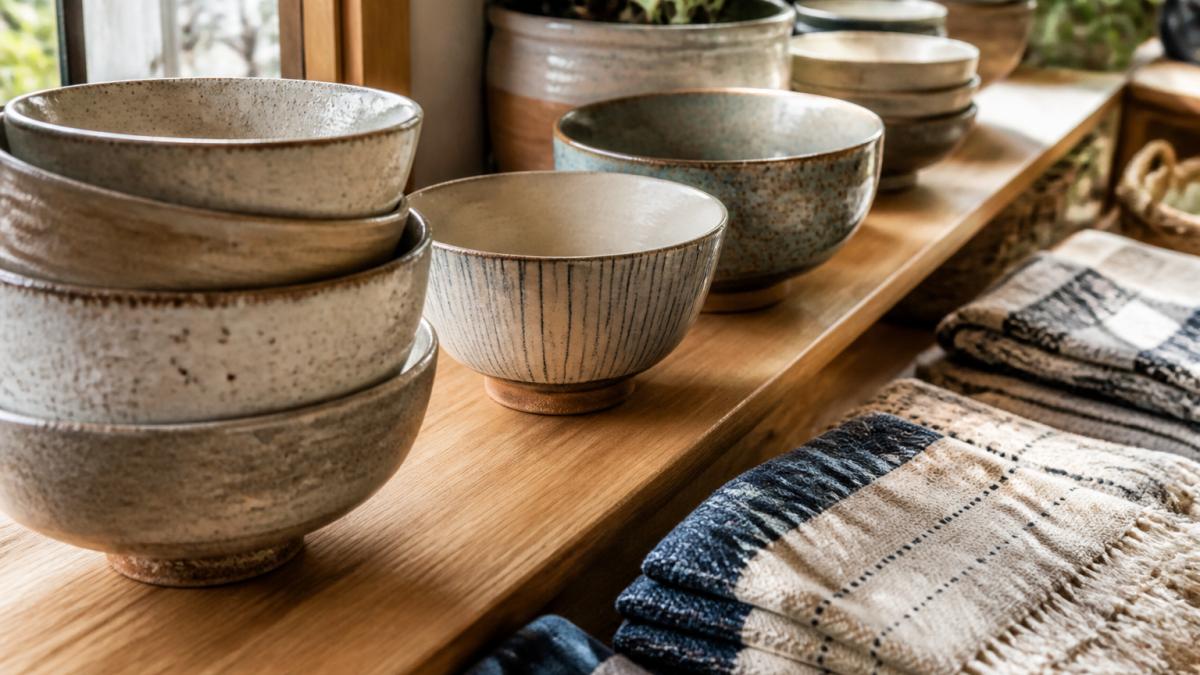
The Citizenry's Approach to Handcrafted Design
The Citizenry built its entire model around artisan partnerships. Every piece in their collection comes with a maker story.
Their design philosophy centers on globally inspired aesthetics. Textiles from India, ceramics from Mexico, glassware from Turkey.
Quality shows in material durability. A Citizenry ceramic piece uses traditional firing techniques that create density and strength. Their textiles use natural dyes and traditional weaving methods.
The trade-off: limited inventory and longer shipping times. Because pieces are made to order or in small batches, you won't find massive selection. Shipping typically takes 5-10 business days.
Uncommon Goods' Curation Model
Uncommon Goods takes a different approach. Rather than building deep partnerships with a handful of makers, they curate across hundreds of independent creators and small producers.
This model prioritizes discovery and variety over narrative depth. You might find a handwoven basket next to a modern LED lamp next to a vintage mirror.
Faster shipping (3-7 business days) reflects their different inventory model. They carry more stock because they work with more makers.
The trade-off: less transparency about individual makers. You know an item is ethically made, but you won't always know the maker's name or full story.
Pricing and Value: Where Your Money Goes
This is where most comparisons get vague. "Both are premium brands" doesn't tell you whether you're getting value. Let's be specific.
The Citizenry's pricing reflects three costs: artisan wages, direct partnerships, and transparency infrastructure. A ceramic vessel runs $40-$120 depending on size and complexity. A textile might be $60-$180.
Uncommon Goods' pricing is more variable because their curation spans different production scales.
Here's the real value question: are you buying a product or a story?
Neither brand offers the absolute lowest prices for home goods. Mass retailers undercut both significantly. But neither is trying to compete on price. They're competing on intentionality.
Best Online Stores for Unique Home Decor: Shipping, Returns, and Reliability
Shipping logistics and return policies separate good intentions from actual customer experience. Here's what matters when you're ordering home goods online.
The Citizenry ships within 5-10 business days for most items. Some pieces are made to order, which can extend timelines to 2-3 weeks.
Uncommon Goods ships within 3-7 business days for in-stock items. This faster timeline reflects their higher inventory levels.
Purple Sand Ceramic Backflow Incense Burner (Large) →
The shipping friction point: both brands charge shipping fees. The Citizenry's fees vary by weight and destination.
Return policy friction is minimal for both.
For reliability, both have established track records. The Citizenry has been operating since 2012. Uncommon Goods since 1979.
Product Categories: Range and Specialization
The Citizenry organizes around maker regions and material categories: ceramics, textiles, glassware, home decor, lighting, and tableware. Each category reflects a specific geographic tradition. Mexican ceramics, Indian textiles, Turkish glassware.
Uncommon Goods organizes around lifestyle themes and aesthetic categories: home decor, gifts, kitchen, bedroom, living room, outdoor, and wellness.
For someone building a cohesive home aesthetic rooted in a specific tradition, The Citizenry's specialization is an asset. You can commit to Mexican ceramics and Indian textiles as your design language.
Neither brand dominates in every category. The Citizenry excels in textiles and ceramics. Uncommon Goods excels in discovery and variety.
Sustainability and Supply Chain Transparency
Supply chain transparency is where these brands genuinely differentiate from mass retailers. But they approach it differently.
The Citizenry publishes maker stories alongside products. You can read about the artisan, see photos of their workshop, and understand their production methods.
Uncommon Goods is transparent about ethical standards but less detailed about individual makers. They publish sustainability commitments and material information, but the depth varies by product.
Both brands use sustainable materials where possible: recycled materials, FSC-certified wood, natural dyes, eco-friendly packaging. Both minimize waste in production. The difference is visibility.
For someone who values conscious consumerism and wants to understand their supply chain, The Citizenry offers more information.
Which Brand Is Right for You: Gift-Giving vs Home Styling
The choice between these brands hinges on two questions: Are you building a home or buying gifts? Are you seeking narrative or variety?
Choose The Citizenry if:
You're building a home intentionally and want pieces that reflect a coherent design philosophy. You care about maker stories and want to support artisans directly.
Choose Uncommon Goods if:
You want variety and discovery. You're buying gifts for people with different aesthetics and need options. You value speed and broader price range.
For gift-giving specifically: Uncommon Goods edges ahead. Their variety means you're more likely to find something that matches the recipient's aesthetic.
For home styling: The Citizenry edges ahead. Their geographic specialization helps you build a coherent aesthetic.
At ELTStores, we understand that home goods are more than functional objects, they're expressions of how you want to live. If you're looking to elevate your everyday rituals with pieces that bring intentionality to your space, explore our curated collection at ELTStores. We offer home goods like the Purple Sand Ceramic Backflow Incense Burner ($68.99) and the LED Color-Changing Wall Light ($50.21) designed to create space for rest, reflection, and gentle joy. Shop now and discover pieces that serve as a quiet promise of beauty and convenience in your daily life.


Frequently Asked Questions
Is Uncommon Goods more reliable than The Citizenry for shipping and returns?
Both brands maintain strong customer satisfaction with reliable shipping, though experiences vary by location and order complexity. Uncommon Goods typically processes orders within 3-5 business days, while The Citizenry's timeline depends on whether items are in-stock or made-to-order. Check each brand's return policy before purchasing: Uncommon Goods allows 30 days, while The Citizenry's policy varies by product category. For time-sensitive purchases or gift-giving, verify current shipping estimates on their sites before checkout.
Which brand offers better ethical home decor brands practices?
Both prioritize ethical sourcing, but differ in transparency. The Citizenry publishes detailed artisan partner stories and supply chain information on their website, emphasizing direct relationships with makers in developing regions. Uncommon Goods highlights sustainable materials and eco-friendly practices but provides less detail about individual maker partnerships. If supply chain transparency matters to you, The Citizenry offers more visibility into who made your items and how they're compensated.
Should I choose The Citizenry or Uncommon Goods for unique gift-giving?
Uncommon Goods excels for gift-giving with curated selections across price points ($15-$500+) and a strong gift-wrapping option. The Citizenry works better for home styling investments, textiles, lighting, and furniture pieces meant to anchor a room's aesthetic. If you're buying a one-time present for someone with specific taste, Uncommon Goods' range offers more variety. If you're building a cohesive home aesthetic, The Citizenry's design-forward collection creates stronger visual harmony.
How do prices compare between these two brands?
The Citizenry typically ranges $80-$600+ for statement pieces like rugs, lighting, and furniture, reflecting artisan production and fair-trade sourcing. Uncommon Goods spans $20-$400, with more budget-friendly options alongside premium items. Both brands premium-price their goods, but Uncommon Goods offers more entry-level pieces under $50, while The Citizenry's lower threshold sits around $60-$80. For value-conscious shoppers, Uncommon Goods provides more flexibility; for investment pieces, The Citizenry justifies higher costs through artisan partnerships.
Building a thoughtful home requires more than browsing. It requires understanding what you value, whether that's maker stories, design variety, price flexibility, or shipping speed. Both The Citizenry and Uncommon Goods deliver on quality. Your choice depends on which philosophy resonates with how you want to live. Start with what matters most to you, then explore the brand that matches that priority. The best home goods are the ones you actually use and appreciate every day.